
Habitat One
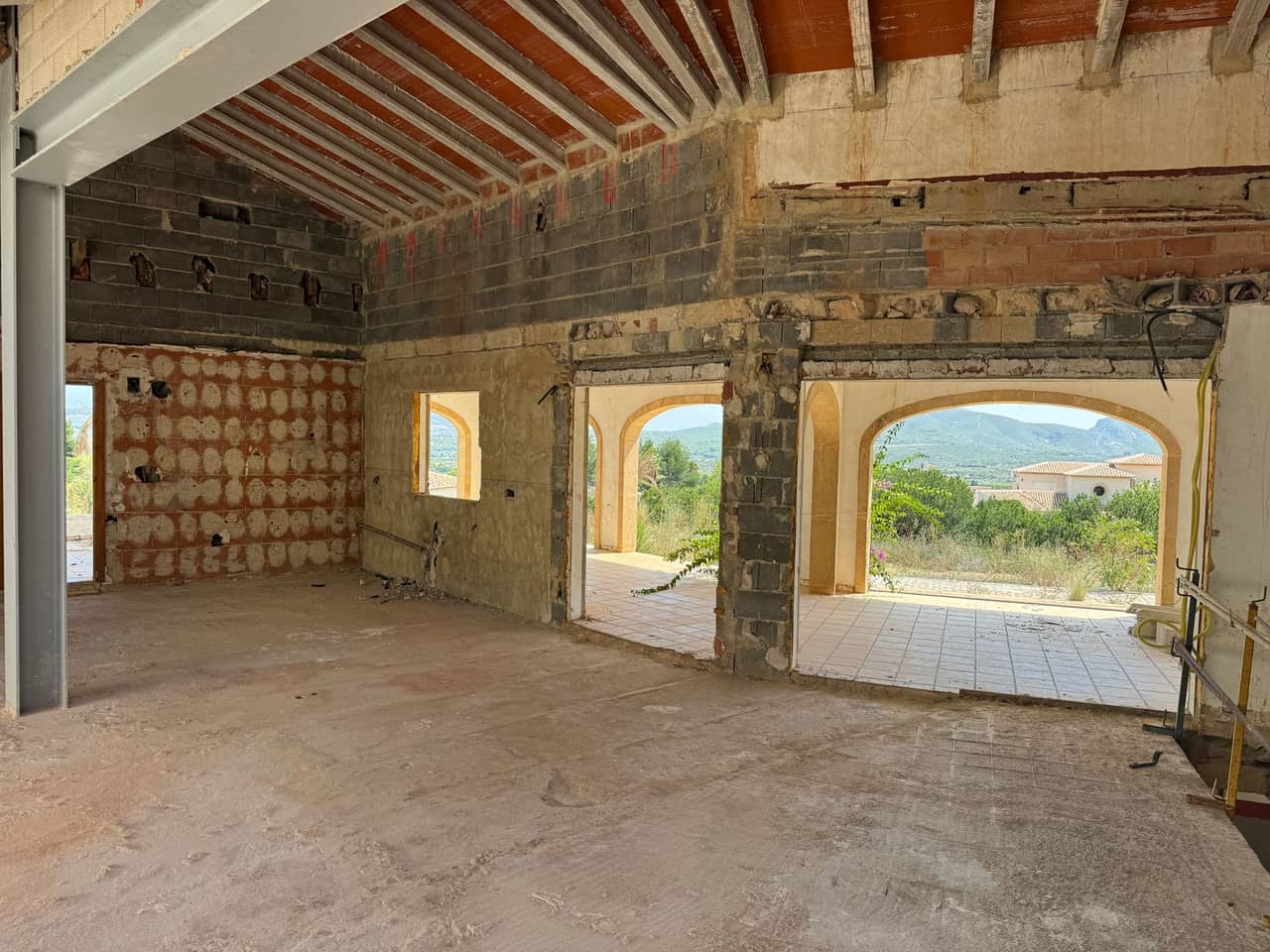
Building or buying a home on the Costa Blanca doesn't start with bricks — it starts with paperwork. Knowing the Spanish rules, or having the right people around you, prevents delays and surprises. Here's what to watch out for.
The NIE (Número de Identidad de Extranjero) is your tax identification number as a foreigner in Spain. Without an NIE you can't buy a property, pay a contractor, set up utilities or pay tax. So it's literally step one.
You apply for it at a Spanish consulate in your home country, in person at the police, or through an authorised representative. Plan this early — it can take a few weeks.
In Spain a gestor handles the administrative side: NIE, taxes, registrations and forms. A lawyer (abogado) guards the legal side: purchase contracts, title checks and permits.
For a safe purchase or build you need both. Never rely solely on the selling party — an independent lawyer who represents your interest is essential.
For new builds or major renovations you need a building permit (licencia de obra) from the town hall. Small works often only require a licencia de obra menor.
After completion comes the occupancy certificate (cédula de habitabilidad). You need it to get water and electricity in your name. Build generous permit timelines into your planning.
Most problems don't arise during construction, but in the paperwork beforehand: buying without an independent legal check, starting without the right permit, or buying a home that has been (partly) extended illegally. Those mistakes cost the most money and time later.
We're not a lawyer or gestor — but we work with lawyers and gestors we personally know and trust, and who speak your language. That way the paperwork, permits and purchase are in good hands while you keep the overview. Even if you're still in your home country, we handle the direction.
Visit our experience center in Jávea/Xàbia or get in touch — we'll connect you with the right specialists.